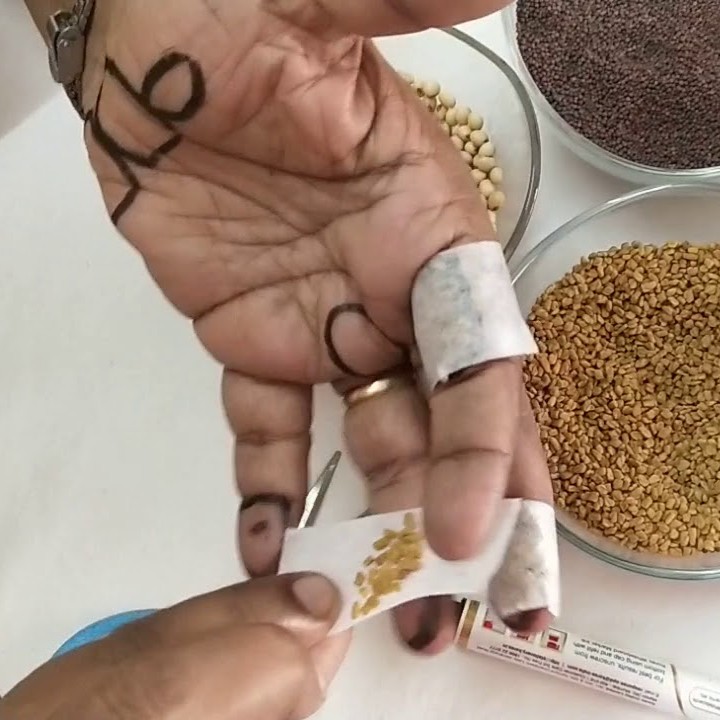
Acupressure Image

Acupressure

Seed Therapy – Involves placing specific seeds on energy points of the body to stimulate healing and restore balance.

Color Therapy – Uses different colors applied to energy points to influence physical and emotional well-being.

Magnet Therapy – Utilizes various types of magnets on targeted energy points to enhance natural healing processes.

These therapies can be administered both online and in person, making them accessible and convenient.
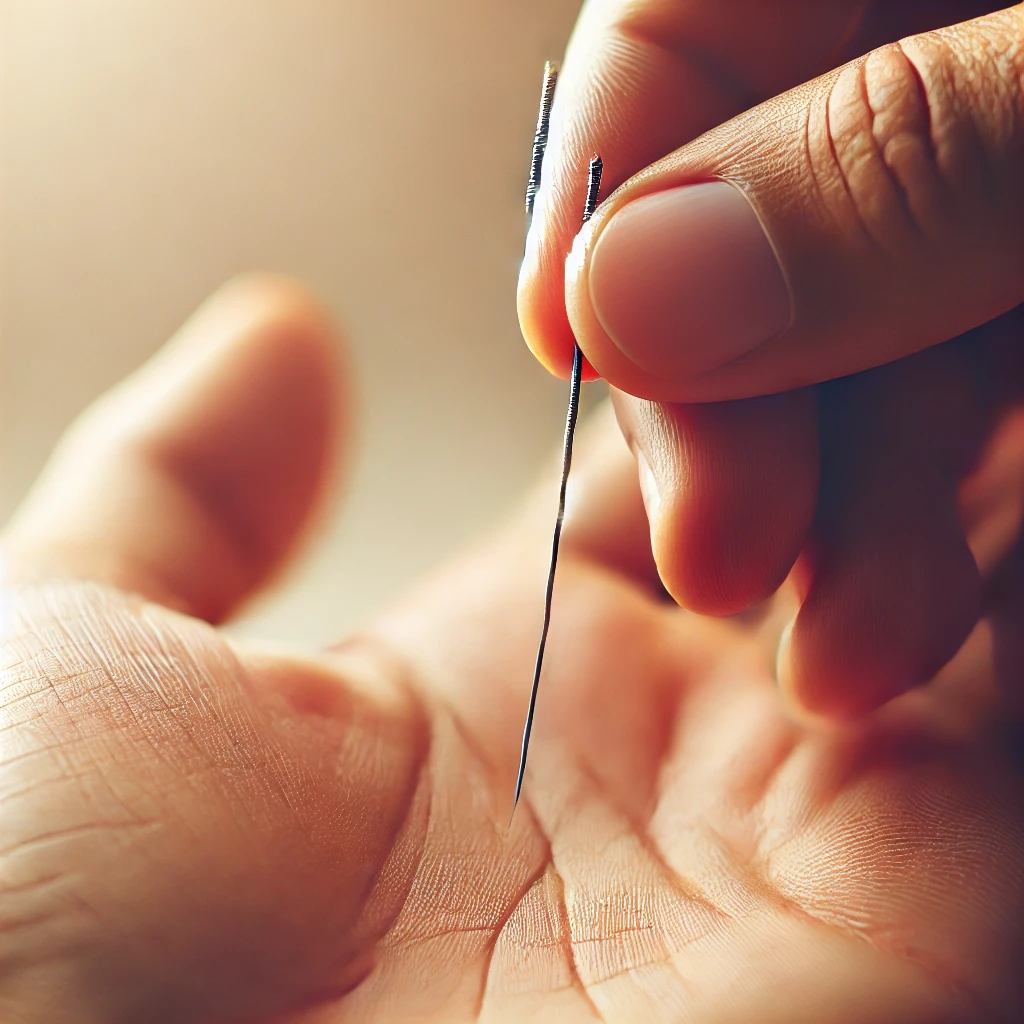
Acupuncture Image

Acupuncture

Needle Insertion – Fine needles are inserted at selected points. The depth of insertion varies, usually ranging from a few millimeters to a couple of centimeters.

Needle Manipulation – Once inserted, the needles may be gently twisted, lifted, or tapped to stimulate the points.

Retention – The needles remain in place for about 15–30 minutes while the patient relaxes.

Removal – The needles are carefully removed, and the patient may experience a slight sensation but typically no pain.

The patient has to visit the center for the treatment to be administered.

The Science behind

Acupressure diagnosis is based on the principles of Traditional Chinese Medicine (TCM), which views the body as an interconnected system of energy pathways called meridians. The science behind diagnosing ailments in acupressure involves assessing the body's energy flow, or Qi (Chi), and identifying blockages or imbalances that may lead to health issues. Here’s how it works:

1. Pulse Diagnosis (Mai Zhen)
- Practitioners check the radial pulse (at the wrist) to assess energy flow in different organs.
- They analyze pulse depth, rhythm, strength, and quality.
- Different pulse characteristics correspond to specific organ imbalances (e.g., a weak pulse may indicate Qi deficiency, while a wiry pulse may suggest stress or liver imbalance).

2. Palpation of Acupoints and Meridians
- The practitioner presses specific acupressure points to identify tenderness or pain.
- Tender or sore points often indicate an underlying imbalance in the corresponding organ.
- For example, sensitivity at the LI4 (Hegu) point on the hand may signal digestive or immune system issues.

3. Tongue Diagnosis
- The tongue’s color, coating, shape, and texture provide clues about internal health.
- A pale tongue may indicate Qi or blood deficiency, while a red tongue suggests heat or inflammation in the body.

4. Observation of Facial and Eye Signs
- The color of the skin, especially around the eyes and cheeks, provides diagnostic clues.
- Dark circles under the eyes may indicate kidney weakness, while redness may suggest liver or heart imbalances.